Your library is a museum of things you almost remember.
Collect books, research and articles. Keep notes and journals on your reads. Never forget a read. What you've read becomes a character.
Free to start · no card · your files stay private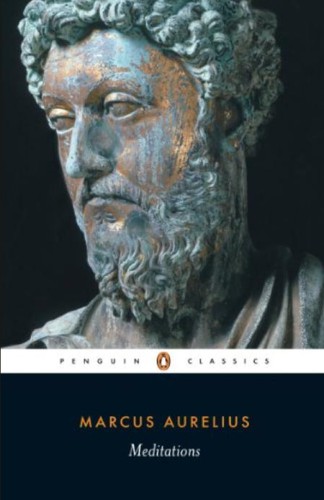
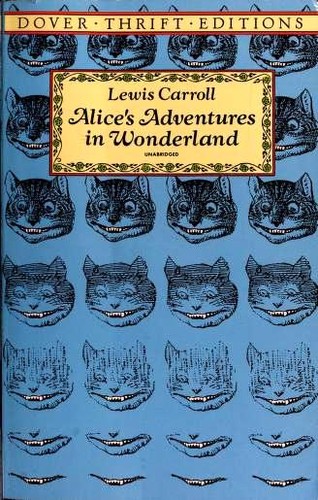
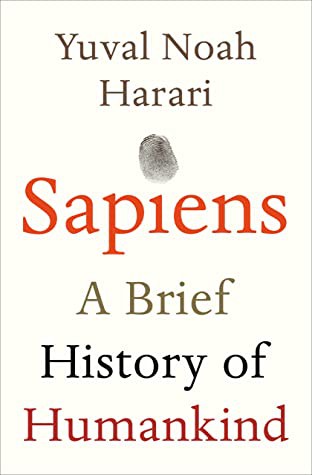
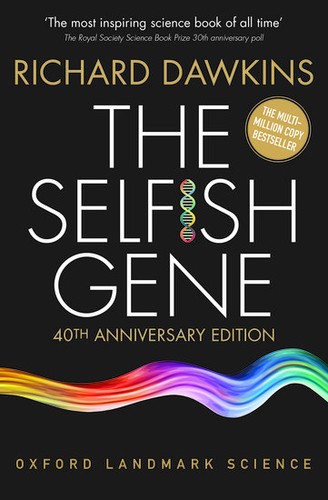
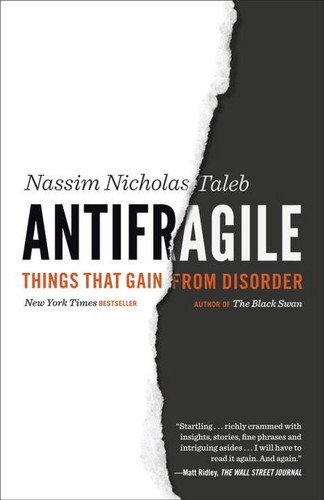
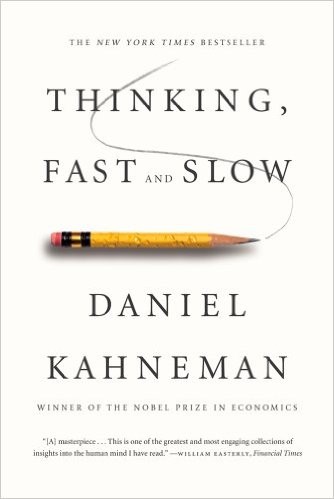
A year on, you have the jacket and one anecdote.
Nothing was built to keep the rest.
Your highlights are stranded in Kindle. Your notes are in three apps. The shelf grows and the ideas don’t. Reading is the highest-leverage habit there is, and almost none of it compounds.
Four steps, and the fourth is the one nobody does.
Collect
Search a title and put it on your shelf. Physical, digital, borrowed: one shelf for everything you own.Mark
Keep the lines that matter, with the page they came from.Distil
Write the idea in your own words. A mental model outlives the book that gave it to you.Meet it again
The line comes back to you just before it goes. Two minutes, and nothing to get right.Five things you already do to a book. One record.
Not five features. One kind of thing with five shapes, so a fold can carry a thought and a passage can become a quote without becoming a different record.Bookmark
Where you left off. One per read, and it moves rather than multiplying.Dog-ear
A page worth coming back to. One fold, no form, nothing to fill in.Sticky
A tab on the edge, for a concept or a section you’ll want to find again.Highlight
A passage that matters. Decide later whether it’s a quote worth attributing.Note
What you thought, in your own words. A margin note, kept with the book.The notebook you carry between books.
A mark belongs to the read it came from. A journal does not: it gathers them across your whole shelf, and it has pages you turn and name, so a second line of thought never needs a second notebook. Any book can leave your shelf and the journal still holds what you made of it.
Publish one and it becomes a page at your own handle. Each citation is rendered at 400 characters and carries the book it came from, and your files stay where they were. A journal is public only when you say so.
Two minutes, and nothing to get right.
Nothing is hidden and there’s no right answer. You’re shown the line you kept, and reading it again is most of the benefit. Then you say one thing: still with me, or gone. What got away comes back sooner. What stuck waits longer.
No streaks. No daily guilt. You can retire an idea whenever you’re done with it.
“Why, sometimes I’ve believed as many as six impossible things before breakfast.”
Your reading becomes a character.
Not a score we invented. Every figure is your own answer, counted. A subject nothing has come round for says so rather than showing you a zero.
- Stoicismkept 10 of 11 · still yours4 books · 9 models · 121 highlights · kept 34 of the times you met them
- Evolutionary biologykept 4 of 6 · holding3 books · 6 models · 88 highlights · kept 19 of the times you met them · 2 due now
- Anthropologykept 1 of 3 · slipping2 books · 4 models · 64 highlights · kept 6 of the times you met them · 9 due now
- Poetrynot met yet6 books · 0 models · 12 highlights · kept 0 of the times you met them
Your files, your locker
Upload the PDFs and EPUBs you already own, and they stay private to you: never shared between readers, never redistributed. That is a legal boundary rather than a setting. PDFs open here and a passage you mark keeps the page it came from. EPUB doesn’t open yet.Paper counts too
Point your phone at a page, drag across the lines you want, and the text comes off it onto the right book. The reading happens on the phone and the photograph is thrown away. Most tools quietly give up on paper readers, whose shelves are usually the older and better half of what they own.Bring the shelf you have
Import a Goodreads export and your reads, ratings, shelves, reviews and dates come over with it. A library you spent ten years building isn’t something to retype. What you finished before Kontoro is recorded and none of it moves your level: the shelf is yours from the first day, and the character is still earned.Free to keep. Pay to store.
Your library, your marks and your ideas are free at every tier. The paywall is storage, never your own words.
Reader
Freecatalogue everything you ownScholar
$9 · monththe locker, and a camera you can trustKontoro is early, and says so. Today it holds your library and shelves, your own uploaded files, every kind of mark on them, your journals, the ideas you distil and the recall queue that brings them back. Reading routes and server-side page recognition are still being built in the open, EPUB doesn’t open in the reader yet, and nothing is charged for before it works.
Start with one book.
The one on your desk right now. Add it, keep a line from it, and see what a year of reading could have looked like.
Start your library